Archive for the 'books' Category

Fruit and Nut Bread, and Bread Matters Giveaway

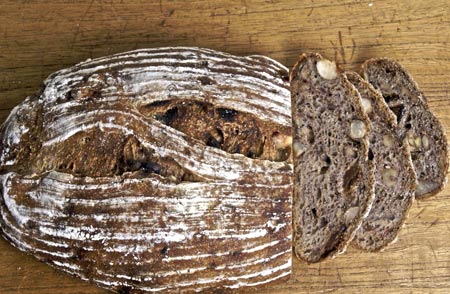
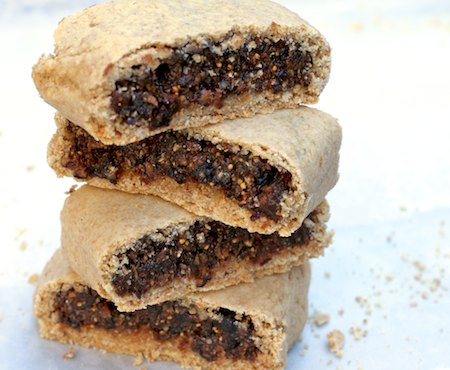
fruit & nut bread

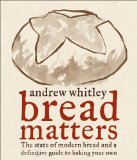
If you’re wondering why bread matters and what’s the matter with modern commercially-made bread, Andrew Whitley spells it out in Bread Matters: The State of Modern Bread and a Definitive Guide to Baking Your Own, and he doesn’t mince words. He spends the first 50 pages or so explaining why the commercial bread baking process (specifically in Britain, although I think it largely applies to most industrialized societies) is “a nutritional, culinary, social, and environmental mess.”

bread mattersBut maybe you knew that already, if you’re into baking your own bread. In that case, you might be drawn to this book’s unassumingly beautiful and wholesome breads, its chapter on gluten-free baking, or the recipe for kvas, a slightly alcoholic Russian drink made from rye bread, sourdough starter, and molasses.

Aside from looking like it would be just plain delicious (which it was), the recipe for Fruit and Nut Leaven Bread intrigued me because it includes the nuts (along with the dried fruit) in the soaker. This is unusual — most recipes call for nuts to be toasted or untreated — and Whitley promised the soaking would lend them “an almost buttery eating quality.” Also, the fruits and nuts constitute a wonderfully high proportion of the overall dough. I must say this was a really satisfying loaf to bake and to eat.

(Read more…)

My Textbook Winner

abap.jpgI knew I could count on you for a few laughs. Thanks to everyone who sent jokes and good wishes in hopes of winning Advanced Bread and Pastry. I wish I had 107 copies of the book to give away.
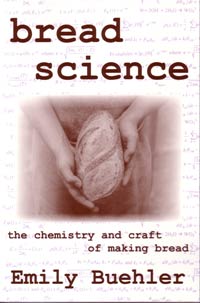
Congratulations to Adam Holte of Stevens Point, Wisconsin, winner of the random drawing. Adam, when the book reaches you, I’m afraid you’re going to have to buckle down to catch up on your reading. The assignment for the first two weeks of class is Chapters 1–5. Have fun!

Bread Science Giveaway

If your high school science classes were anything like mine, they were never like this.
The Krebs cycle, hydrogen bonds, osmosis, asexual reproduction. Does the mere mention of this stuff make you start to hyperventilate? Or fall on your knees and thank all that is good and powerful that you will never have to endure those fathomless lectures again?

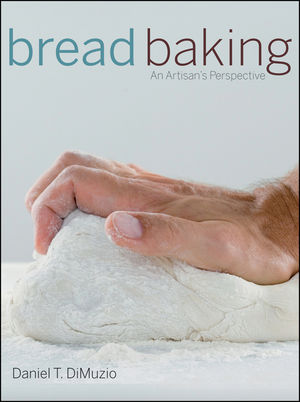
If it does, then it’s a shame Emily Buehler wasn’t your teacher, and Bread Science your textbook.

Buehler, a PhD chemist who turned out to have a calling as a professional baker and baking teacher, gets down and dirty with the science of why bread works. What is fermentation, exactly, and why does it make bread taste good? How does the seeming magic of gluten development really occur? What makes those atoms want to nestle together in just the right way to produce a lofty loaf? Buehler tells and illustrates all, more clearly than any teacher or textbook I have ever had.

But even if you don’t think molecules and reactions are at all your thing and you just want to know how to bake better bread, read the book. You can defer Chapter 2, the hard-core science chapter, until you’re ready for it, and skip ahead to the chapters on the how-to of bread baking. No recipes here (well, maybe one or two), but tons of good information on the why and and the how of preferments, mixing, shaping, proofing, and baking.

Because she is generous in addition to being smart and talented, Emily Buehler has a signed copy of Bread Science to send to one of you seasoned or budding bread scientists. A comment about your best or worst science class memory gets you a chance to win. The deadline to enter the random drawing is 11:59 PM PDT on Saturday, May 16; international entries welcome!

Bread Baking: An Artisan’s Perspective Giveaway

What burning bread questions are on your mind ? How do you know how long a dough should ferment? What is the ideal baking temperature? What is an Auvergnat and how do you shape it? In his book Bread Baking: An Artisan’s Perspective, Daniel DiMuzio lets us in on all of it.

This is a textbook, aimed at baking students. It is not a cookbook, although there are a few formulas. But if you’re a bread geek like me (come on, you can admit it), you will find plenty here to interest and inform. It is technical stuff, presented very clearly so even those of us who are not pros can make sense of it.

Chapter by chapter, DiMuzio, a baker and baking instructor, takes us through each step of the bread baking process: ingredient selection, mixing, fermentation (what is that yeast really up to in there?), shaping, proofing, and baking. He explains not only what to do, but why to do it. There is also a chapter about rich and laminated doughs, and one on how to create your own dough formula.

Courtesy of Dan and of publisher Wiley, I have a copy of this great book to give away. All you have to do is leave a comment here by 11:59 PM PST on Monday, April 13 for a chance in the random drawing. International entries are welcome in this one. Remember, you cannot win if you do not play!

We Have a Winner

Congratulations to the winner of the Advanced Bread and Pastry giveaway: talented baker and artist Alla Johnson (Art by Alla)!

For the rest of you, all is not lost — you can still get a copy of the book by ordering it directly from SFBI (this option helps to support the school) or from Amazon. If you want the recipe for those hazelnut squares, you’ll just have to get the book.

Advanced Bread and Pastry Giveaway

caramelized-hazelnut-square.jpg

Allow me to introduce the bread I made today: Caramelized Hazelnut Squares. I first made this stunning open-crumbed, nut-studded bread in the Advanced Breads workshop at the San Francisco Baking Institute. As I have said many times, I’m a big fan of SFBI and I think everyone who can possibly manage it should take a course or two or five there.

ABAP.jpg

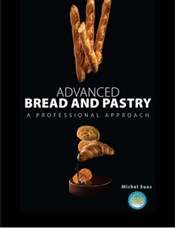
If you can’t, the next best thing is the book Advanced Bread and Pastry by the school’s founder Michel Suas, and I just happen to have a signed copy to give away, courtesy of Michel and the other very nice people who run SFBI.

This incredibly comprehensive textbook lays out the theoretical and practical foundation you will need in order to understand and execute its 300 or so bread and pastry formulas, many of which are staples of the SFBI curriculum. From fermentation to flour technology to shaping techniques, it’s all in there. The book is intended primarily for professional baking students, but like the SFBI courses themselves, it is quite accessible to home bakers who are serious about learning and practicing the craft.

That’s you, right?

You can earn a chance to win the book by saying something interesting in the comments before 11:59 PM (PST) on Tuesday, February 10. I’ll draw one at random, and SFBI will ship the book directly to the lucky winner (who must have a USA shipping address).

(Read more…)